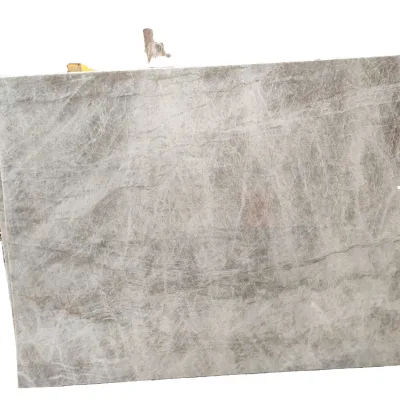
Source Polished Taj Mahal Quartzite Slab for Countertops, Floors, Walls
Compare 30 listings for polished Taj Mahal quartzite slab from global suppliers. Buyers can evaluate specifications like thickness, density, and surface finish for kitchen countertops, bathroom vanities, and interior wall applications.
Key considerations
Products List



Comprehensive Sourcing Guide
Polished Taj Mahal Quartzite Slab Sourcing Guide
Sourcing high-quality natural stone for interior design projects requires a nuanced understanding of material properties, supply chain logistics, and quality assurance protocols. The polished Taj Mahal Quartzite slab has emerged as a premium choice for luxury residential and commercial spaces, prized for its distinctive aesthetic and durability. This guide provides evidence-based procurement strategies for buyers seeking to integrate this specific stone form into their projects, focusing on verified technical attributes, compliance requirements, and commercial best practices. By adhering to structured verification steps, procurement teams can mitigate risks associated with natural stone variability and ensure that delivered materials meet stringent design and performance expectations.
The following sections detail the critical decision points for sourcing polished Taj Mahal Quartzite, drawing from observed market data and trusted category knowledge. Buyers are advised to treat product attributes as observations rather than universal guarantees, ensuring that every purchase order is backed by specific supplier confirmations and independent testing where necessary. This disciplined approach to sourcing helps maintain consistency across large-scale installations and protects against common pitfalls such as color mismatch, structural failure, or non-compliance with international safety standards.
Product Scope and Observed Listing Signals
The market for polished Taj Mahal Quartzite slabs exhibits a wide range of pricing and minimum order quantities, reflecting the diversity of supplier capabilities and product grades. Observed listing signals indicate a price range from 19 to 2000 USD, with minimum order quantities (MOQs) varying between 10 and 1000 units. This variance suggests that buyers can access both wholesale and retail options, with some suppliers offering flexible terms for smaller projects while others require bulk commitments for industrial-scale applications. Understanding these signals is crucial for budgeting and inventory planning, as the cost per unit often correlates with slab size, thickness, and the level of customization required.
Product listings frequently highlight key attributes such as natural origin, polished surface finishing, and specific density ranges. For instance, observed data points to a granite density of 2~3g/cm³, with some specific listings noting densities of 2.6 or 2.8 g/cm³. While the term "quartzite" is used in the core keyword, some supplier descriptions may reference "natural granite" or "luxury modern material," indicating potential terminology variations in the market. Buyers must verify the exact material composition to ensure it aligns with their design and structural requirements, as natural stone properties can vary significantly even within the same named variety.
Technical Specifications to Verify
Thickness and tolerance are critical technical specifications that directly impact installation feasibility and structural integrity. Observed specifications indicate a standard thickness of 18mm or 20mm, with a thickness tolerance of +/-1mm. These tolerances are essential for ensuring that slabs fit precisely within framing systems and that joints remain consistent across large floor or wall areas. Buyers should verify that the supplier can consistently maintain these tolerances, as deviations can lead to uneven surfaces or difficulty in achieving seamless edges during installation. Additionally, the polished degree is often cited as 85 degrees or higher, with some listings claiming 95 degrees or above, which affects the visual reflectivity and aesthetic appeal of the final surface.
The physical form and edge processing of the slabs also require careful verification. Common forms include big slabs and cut-to-size pieces, with edge processing typically described as flat. The density of the material, observed in the range of 2.6 to 2.8 g/cm³, influences its weight and handling requirements. For example, crates weighing 1-1.5 tons each necessitate appropriate logistics and handling equipment at the destination. Buyers must confirm that the supplier’s production capabilities align with their specific dimensional needs, as custom sizes are often available but may incur additional costs or longer lead times.
Compliance and Safety Documentation
Certification and compliance documentation are non-negotiable elements of international stone procurement, particularly for projects in regulated markets such as the USA, Europe, and Australia. Observed listings frequently mention CE and ISO certifications, with some specifying ISO forms like "Big Slab." These certifications indicate that the supplier adheres to specific quality management and product safety standards. Buyers should request valid certification documents to verify that the supplier’s processes meet the regulatory requirements of the destination country, ensuring that the materials are safe for indoor use and do not emit harmful substances.
Inspection protocols are another critical aspect of compliance and quality assurance. Suppliers often claim to inspect every tile or slab before packing, with quality control processes described as 100% inspection or checked piece by piece. These claims should be substantiated by detailed inspection reports or certificates of conformity provided by the supplier. Additionally, fumigation is noted as a standard practice for wooden packaging, which is essential for preventing the spread of pests and complying with international phytosanitary regulations. Buyers must ensure that all packaging meets the fumigation standards required by their local customs authorities to avoid delays or penalties.
Cost Drivers and Commercial Terms
Several factors influence the total cost of ownership for polished Taj Mahal Quartzite slabs, including material origin, packaging, and shipping logistics. Observed data indicates that products originate from countries such as China and Brazil, with packaging ranging from strong wooden pallets to fumigated wooden crates and wood bundles with plastic and foam. The choice of packaging affects both the protection of the material during transit and the associated shipping costs. For instance, wooden bundles with plastic and foam may offer better protection for delicate edges but could increase volumetric weight, impacting freight charges.
Commercial terms such as sample availability and freight negotiation also play a significant role in procurement planning. Suppliers often offer free samples, with sample freight being negotiable, allowing buyers to verify quality before committing to large orders. Sea freight is considered suitable for long-distance shipping, but buyers must account for potential risks such as damage during transit. The observation that the material is "worthy to long sea freight" suggests durability, but buyers should still secure appropriate insurance and verify the supplier’s packing standards to minimize the risk of loss or damage.
Supplier Qualification and Quality Control
Evaluating supplier qualifications requires a thorough review of their production capabilities, quality control processes, and customer service commitments. Observed listings highlight attributes such as "perfect service" and "good quality," but these claims must be validated through direct communication and reference checks. Buyers should inquire about the supplier’s experience with similar projects and their ability to handle custom orders, as many suppliers offer customization for size, thickness, and edge processing. The availability of free samples is a positive indicator, allowing buyers to assess the material’s color, texture, and polish quality firsthand.
Quality control extends beyond initial inspection to include ongoing monitoring during production and packing. Suppliers should provide detailed information on their inspection protocols, including how they handle defects and variations in natural stone. The claim of "100% inspection" should be backed by a clear process for identifying and removing substandard pieces. Buyers should also verify the supplier’s ability to maintain consistency across batches, as natural stone can exhibit variations in color and pattern. Establishing a clear communication channel for addressing quality issues is essential for ensuring that the delivered materials meet the project’s specifications.
Long-Term Procurement Checks
Long-term procurement success depends on establishing robust relationships with suppliers and implementing continuous improvement strategies. Buyers should regularly review supplier performance metrics, including on-time delivery rates, defect rates, and responsiveness to issues. The observation that suppliers accept both wholesale and retail orders suggests flexibility, but buyers should ensure that the supplier can scale operations to meet growing demand without compromising quality. Regular audits of the supplier’s quality control processes and compliance documentation can help identify potential risks early and maintain high standards.
Additionally, buyers should stay informed about market trends and technological advancements in stone processing and finishing. The availability of customized sizes and forms indicates a dynamic market, but buyers must ensure that their specifications remain aligned with current industry standards. Engaging with suppliers to discuss future needs and potential innovations can foster collaboration and ensure that the procurement strategy remains competitive. By maintaining a proactive approach to supplier management and quality assurance, buyers can secure a reliable supply of polished Taj Mahal Quartzite slabs for their ongoing projects.
FAQs
What is the standard thickness for polished taj mahal quartzite slabs
The standard thickness for these slabs is typically 18mm or 20mm. Buyers should verify the specific thickness tolerance, which is generally maintained at plus or minus 1mm to ensure consistent installation quality across large projects.
What is the density of natural taj mahal quartzite
The density of natural taj mahal quartzite ranges from 2.6 to 2.8 grams per cubic centimeter. This high density contributes to the stone's durability and resistance to wear, making it suitable for high-traffic interior applications like flooring and countertops.
Can suppliers provide free samples of taj mahal quartzite
Yes, free samples are available for evaluation. However, the freight cost for shipping these samples is typically negotiated between the buyer and the supplier. Requesting samples allows you to verify the color, texture, and polished finish before committing to a bulk order.
What packaging is used for shipping quartzite slabs
Slabs are packed in strong wooden pallets or fumigated wooden crates to ensure safety during transit. Each crate typically weighs between 1 and 1.5 tons. This robust packaging protects the polished surface from damage and meets international shipping standards for heavy stone materials.
What is the minimum order quantity for quartzite slabs
Suppliers often accept both wholesale and retail orders with no strict minimum limit. This flexibility allows buyers to order small quantities for testing or large volumes for commercial projects. Confirming the specific MOQ with the supplier is recommended for large-scale procurement.
What certifications are available for taj mahal quartzite
Common certifications for these slabs include CE and ISO standards. These certifications verify that the product meets specific quality and safety requirements. Buyers should request current certification documents to ensure compliance with their local building codes and import regulations.
What is the polished degree of the quartzite surface
The surface finish is typically polished to a degree of 85 or higher. This high level of polish enhances the natural beauty of the stone and provides a smooth, reflective surface. It is ideal for decorative applications in kitchens, bathrooms, and commercial spaces.